Distribution Eats Product
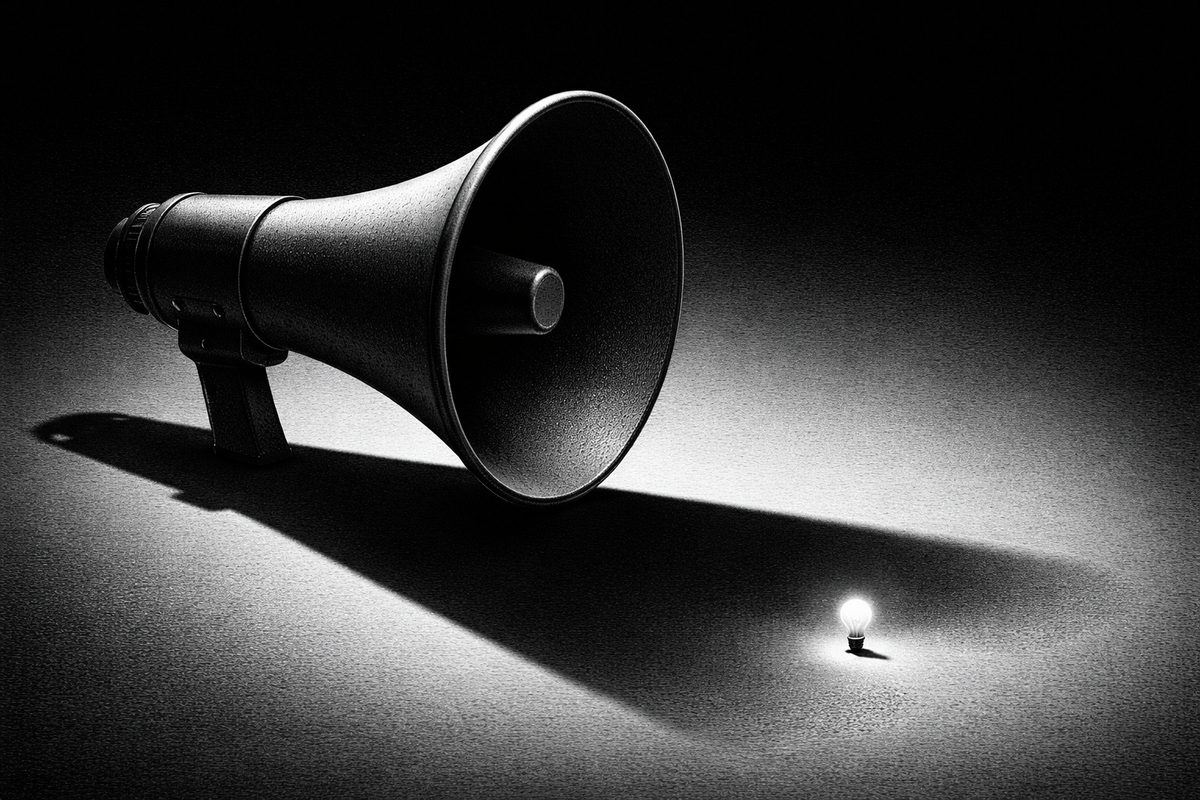
Here's a stat that should terrify anyone building a "differentiated product":
In 2017, it took 18 months to replicate a novel software feature. By 2020, it was 6 months. In 2024? 2.4 weeks.
That's a 98% drop in how long your technical edge lasts.
The moat you're building? Someone's already filling it in.
The Old Game Is Over
For decades, the startup playbook was simple: build something better. Better product wins. Better tech wins. Better features win.
That playbook is dead.
When the cost of code approaches zero, when some kid with Cursor and a weekend can replicate 80% of your functionality, "better product" isn't a strategy. It's table stakes.
Sam Altman said the first billion-dollar company built by one person is coming. I've also invested in a company, GIC, who is building the infrastructure for the one person billion dollar company. Not because solo founders are suddenly gonna become 10x better at building. Because building is becoming trivial.
Midjourney hit $500 million in annual revenue with 40 employees. Forty. That's $12.5 million per head. They didn't win on product. There are dozens of AI image generators. They won on brand. They won on timing. They won on distribution.
The Graveyard of Better Products
History is full of superior products that got crushed by inferior ones with better distribution.
- Snapchat invented Stories. Instagram copied it feature-for-feature. Systrom, founder of instagram, literally said "they deserve all the credit." Within two years Instagram had 60% more daily users. Same exact product. Bigger pipe.
- Slack was the better chat app. Everyone agreed. Devs loved it. Then Microsoft bundled Teams with Office 365 for "free" and Slack ended up selling to Salesforce for a fraction of what it should've been worth. Distribution ate product for lunch. AGAIN. SLACK IS THE BETTER PRODUCT.
- Google wasn't the first search engine. Wasn't even clearly the best for years. But they built Chrome, Chrome became the default browser for 63% of the world, and suddenly Google owned 92% of search. They pay Apple $20 billion a year just to stay default on Safari. That's a distribution expense.
The pattern is everywhere once you see it.
Why This Is Happening Now
Three forces converging at once:
1. AI collapsed the cost of building.
A study found 73% of "AI startups" are just wrappers around ChatGPT and Claude. Sounds bad until you realize the wrappers that win aren't winning on tech. They're winning on who gets to the customer first.
Replit went from $10M to $100M ARR in nine months. Was their AI better than everyone else's? Nope. Same foundation models. They had the community. The brand. The distribution.
2. Open source democratized everything.
The "secret sauce" that used to take PhD teams years to build? It's on Hugging Face. For free. The proprietary algorithm that gave you two years of runway? Someone will fine-tune an open model to match it next quarter.
When Meta open-sources Llama, when OpenAI drops prices 90% overnight, when everyone uses the same underlying models, where does advantage live?
Not in the model.
3. Attention is the only scarce resource left.
Infinite content. Infinite products. Infinite AI-generated everything. The only thing that's actually scarce is getting someone to give a shit. Getting noticed is harder than building the thing now.
That's the great inversion: building is easy, getting attention is hard.
The New Moats
If technical differentiation is dead, what's left?
Brand. When everything's a commodity, people buy the name they trust. Zoom became a verb while technically-equivalent competitors disappeared. "Just Zoom me" won. The brand is the product now.
Distribution. Can you reach customers faster and cheaper than the next guy? Do you already have an audience, a community, a channel? Instagram could copy Snapchat because they already had the eyeballs. Microsoft could kill Slack because they already had the contracts.
Trust. When switching costs approach zero, the only thing keeping customers is belief. Belief you'll be around, you'll protect their data, you'll keep improving. Trust compounds. It's also slow as hell to build, which is exactly what makes it a moat.
Notice what's missing from this list: features.
What This Means If You're Building
If you're starting something today, flip the playbook.
Don't start with product. Start with distribution.
Who are your first 1,000 users? How will you reach them? If your answer involves "build it and they will come" you don't have a strategy.
The best founders I know are building audiences before products. Content, community, trust first. Then ship to people who already care.
I personally spoke with hundreds of users, customers, etc before having a single line of code written. Booked revenue before any product existed. I did this by design.
Speed beats polish.
In the old world, you spent 18 months perfecting before launch. Now 18 months means 50 competitors already shipped. Launch fast. Learn fast. Build the plane while flying it.
First mover advantage is dead. Fast brand advantage is what matters.
Narrative is product.
The story you tell matters as much as what you build. In a sea of functional equivalents, the one with the compelling story gets remembered. Gets shared. Gets distributed.
The Uncomfortable Truth
This is uncomfortable for technical founders. We want to believe better engineering wins. That if we just build something 10x better, the market will reward us.
Sometimes it does. But increasingly, "10x better" is temporary. It's 2.4 weeks until someone catches up.
Thiel was right: competition is for losers. But his advice to "build a monopoly" needs an update. In the AI age, you don't build monopoly through better tech. You build it through distribution so dominant that competition becomes irrelevant.
Instagram didn't out-innovate Snapchat. Microsoft didn't out-feature Slack. Google didn't out-algorithm everyone.
They out-distributed them.
And distribution, unlike code, can't be copied in 2.4 weeks.
So what's your distribution strategy? If you don't have one, you don't have a company. You have a project waiting to get disrupted.
Your move,
Blaine